The Greek Orthodox ‘Rum’ Communities of Istanbul dates back to Byzantium, the Eastern Roman Empire, also known as the Byzantine Empire. Constantinople (modern-day Istanbul) was conquered by the Ottomans in 1453, yet both the Greek Orthodox Church and the Rum community remained in the city after the conquest, even though today’s community members emigrated to Istanbul at different times during the Ottoman Period, from the Greek Islands, Cappadocia and other parts of Asia Minor. However, there was always a presence of this community since the Byzantium period. They continued to play a significant role in the city’s social and economic life, as well as in the Ottoman Empire’s political and diplomatic life.
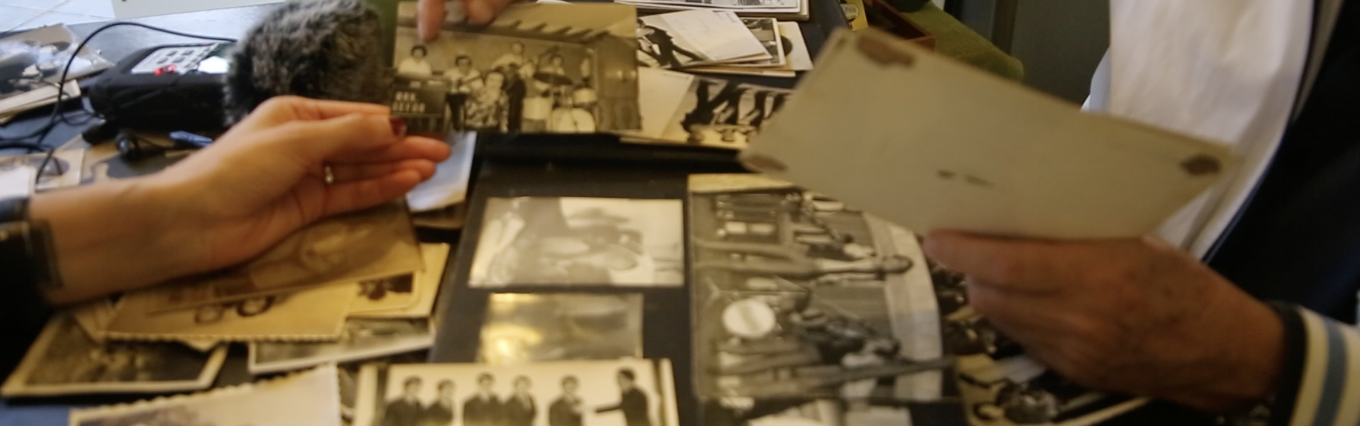
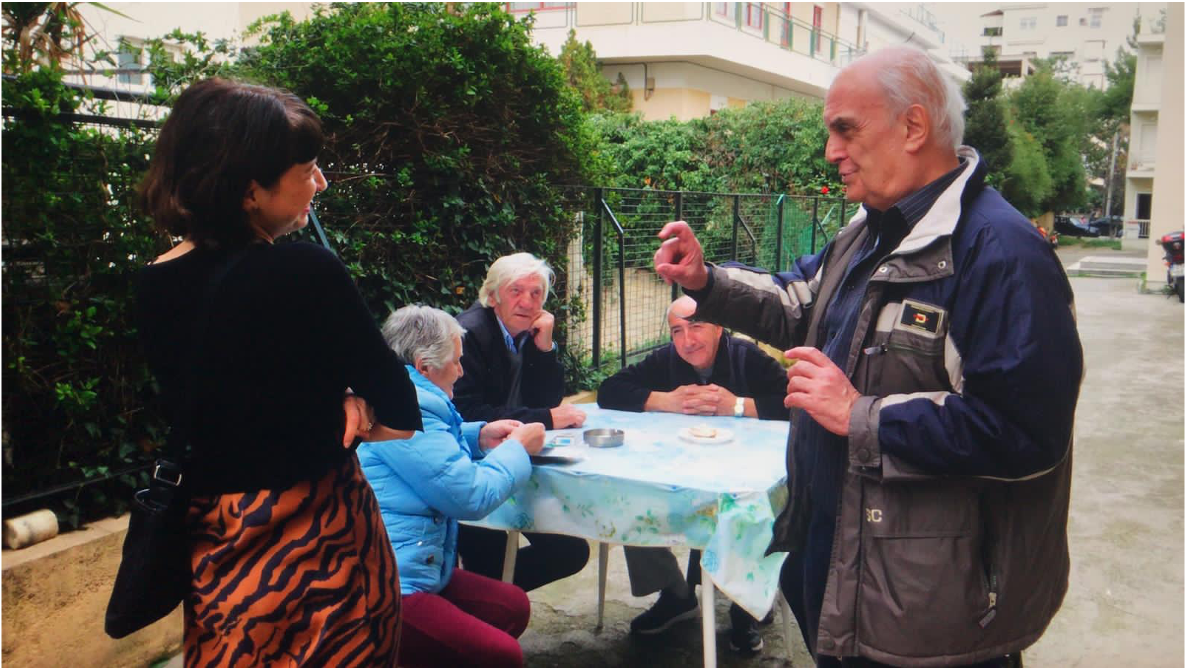
The histories and memories of the Greek communities of Istanbul are poorly represented in museums and official platforms. This website seeks to address that absence. It serves as an archive, a map of memories, and a repository of voices, stories, objects, sensations, and emotions drawn from interviews with community members conducted in Istanbul and Athens.
Some of the stories might seem apparently banal or minor; some are short, others longer, yet each reflects the practices of memory and is important to the people who tell it. They still remember tiny details, often dating back more than half a decade. Sometimes these memories centre on a moment at customs in a harbour; the door of a flat; the sound of stairs; an entire neighbourhood; a teacher’s gesture; an ice-cream seller; a chandelier; a grandmother’s house; a shoe; a pudding recipe; or an imagined image of Easter.
You can click on the titles to access the full stories, accompanied by images and sometimes with sound.